
What are you looking for?
Explore our services and discover how we can help you achieve your goals

Explore our services and discover how we can help you achieve your goals
Digital Transformation | HR Technology | HRM Solution | Workforce Automation
Work with this team
/02 Product tour
/03 Before
HR information existed within disconnected spreadsheets, legacy systems, and paper-based records. Employee data lacked centralisation, preventing unified workforce intelligence. Data inconsistencies created compliance risks. Manual data reconciliation consumed countless administrative hours.
Regulatory requirements—EPF, ESI, TDS, and additional statutory obligations—remained poorly managed. Manual compliance tracking guaranteed errors. Non-compliance risks threatened organisational reputation and legal standing. Audit preparation required exhausting document compilation.
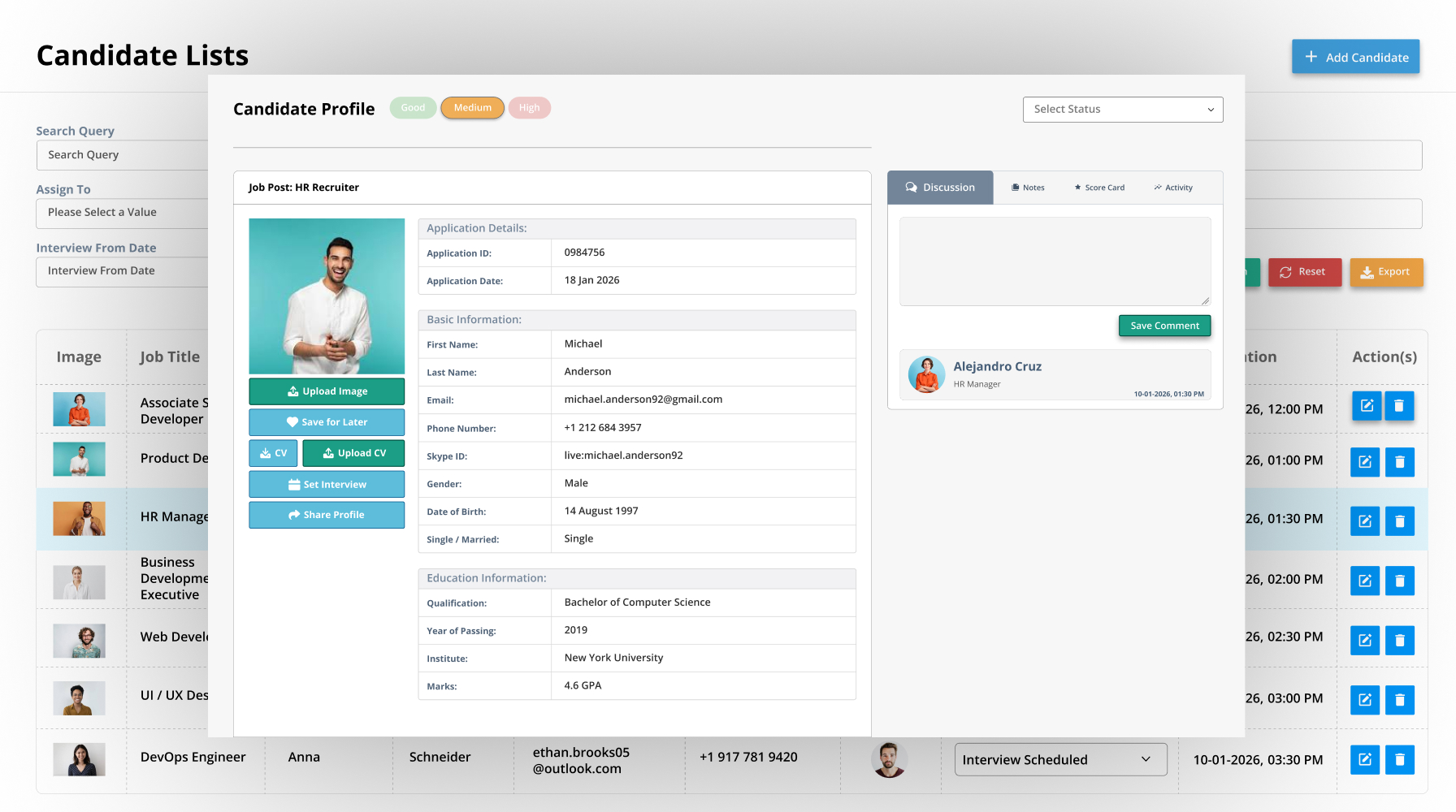
Talent acquisition relied heavily on manual processes. Recruiters screened countless applications manually. Job postings lacked reach and sophistication. Candidate tracking remained disorganised. Quality hiring outcomes suffered as a result.
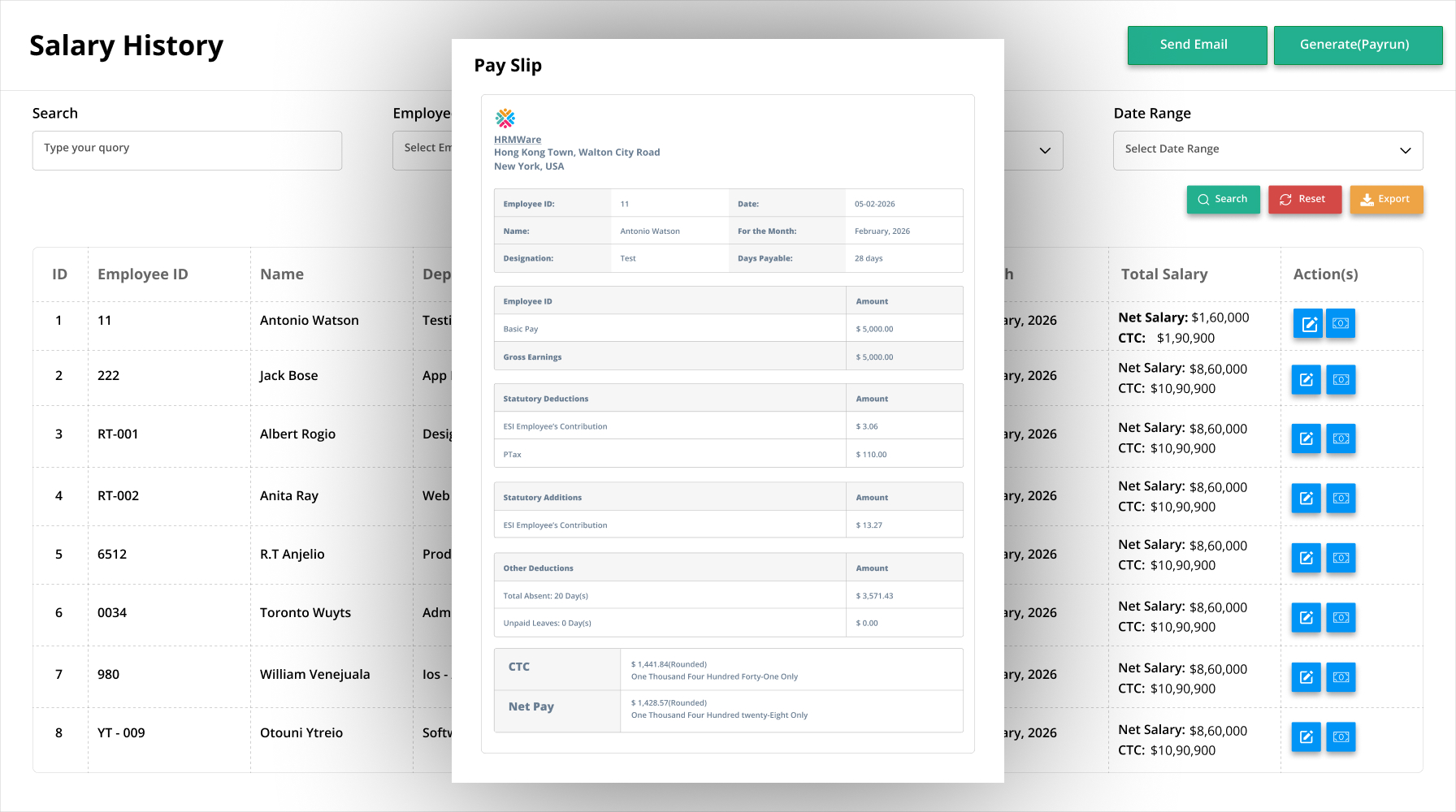
Manual salary calculations, tax computations, and statutory deductions consumed substantial HR time. Errors in payroll calculations created employee dissatisfaction and compliance violations. Processing delays frustrated employees and undermined organisational reputation.
Disconnected systems prevented effective communication. Employee self-service capabilities remained unavailable. Leave requests required manual processing. Attendance management relied on outdated systems, generating unreliable data.
HR leadership lacked data-driven insights into workforce metrics. Strategic workforce planning remained impossible. Turnover predictions could not be anticipated. Talent development decisions relied on intuition rather than intelligence.
/04 After
Cloud-based architecture consolidated all employee information into a single, secure repository. Real-time data synchronisation eliminated inconsistencies. Comprehensive access controls protected sensitive information. Employees, managers, and HR teams accessed unified information instantly.
Built-in algorithms embed regulatory requirements directly into operational processes. Payroll calculations incorporated statutory deductions automatically. Compliance verification happened continuously rather than reactively. System updates reflected regulatory changes systematically, eliminating compliance gaps.
AI-powered candidate screening accelerated hiring whilst improving quality. Intelligent job posting distribution expanded reach significantly. Automated candidate tracking streamlined evaluation processes. Interview scheduling eliminated coordination complexity. Offer management became systematic rather than chaotic.
Sophisticated algorithms calculated salaries, taxes, and deductions accurately. Processing became instantaneous rather than time-consuming. Direct deposit integration ensured timely payment. Employees accessed transparent payslips digitally. Audit trails documented every calculation thoroughly.
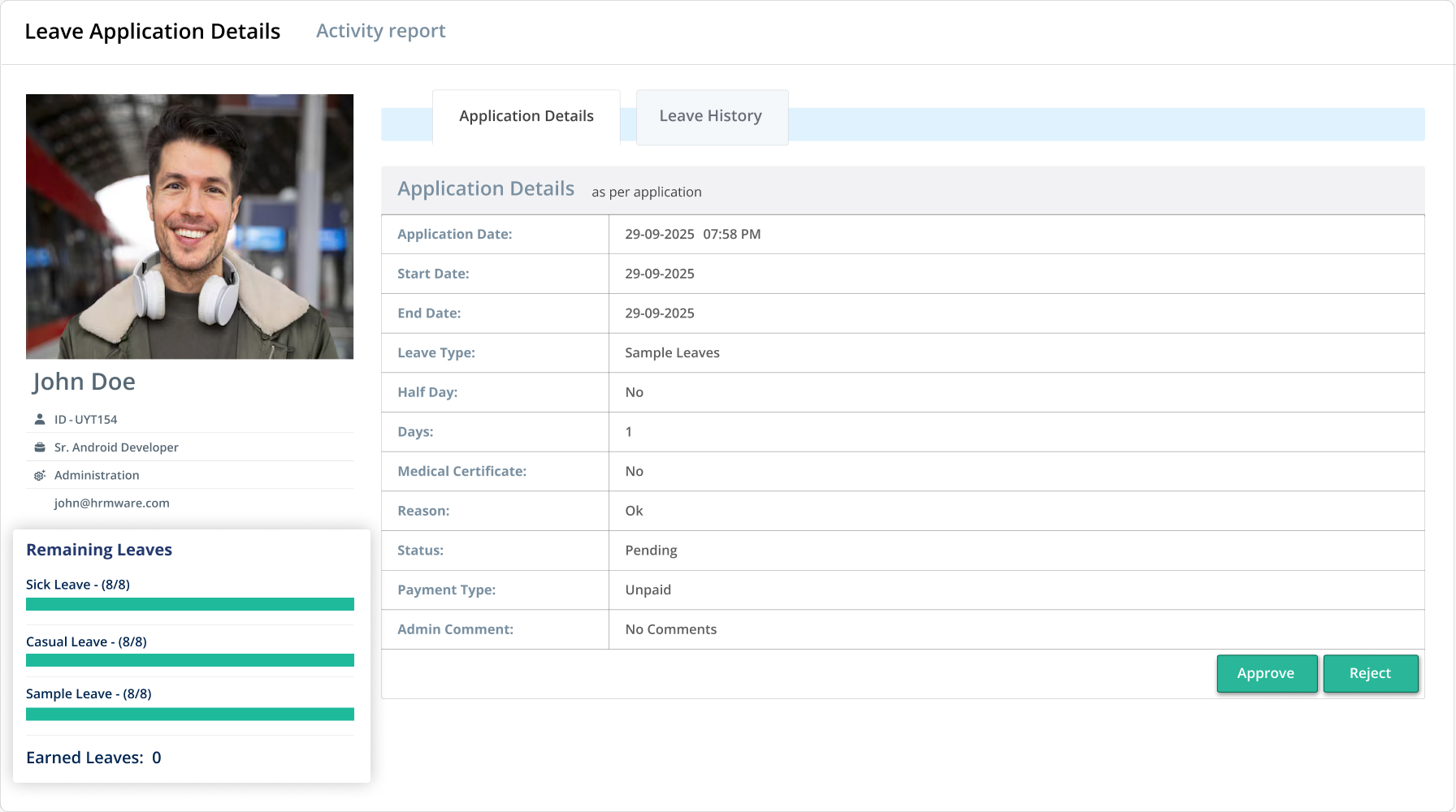
Self-service portals empower employees to manage leave requests independently. Real-time attendance tracking provided accuracy. Communication channels connected employees across organisational hierarchies. Benefits administration became accessible and transparent.
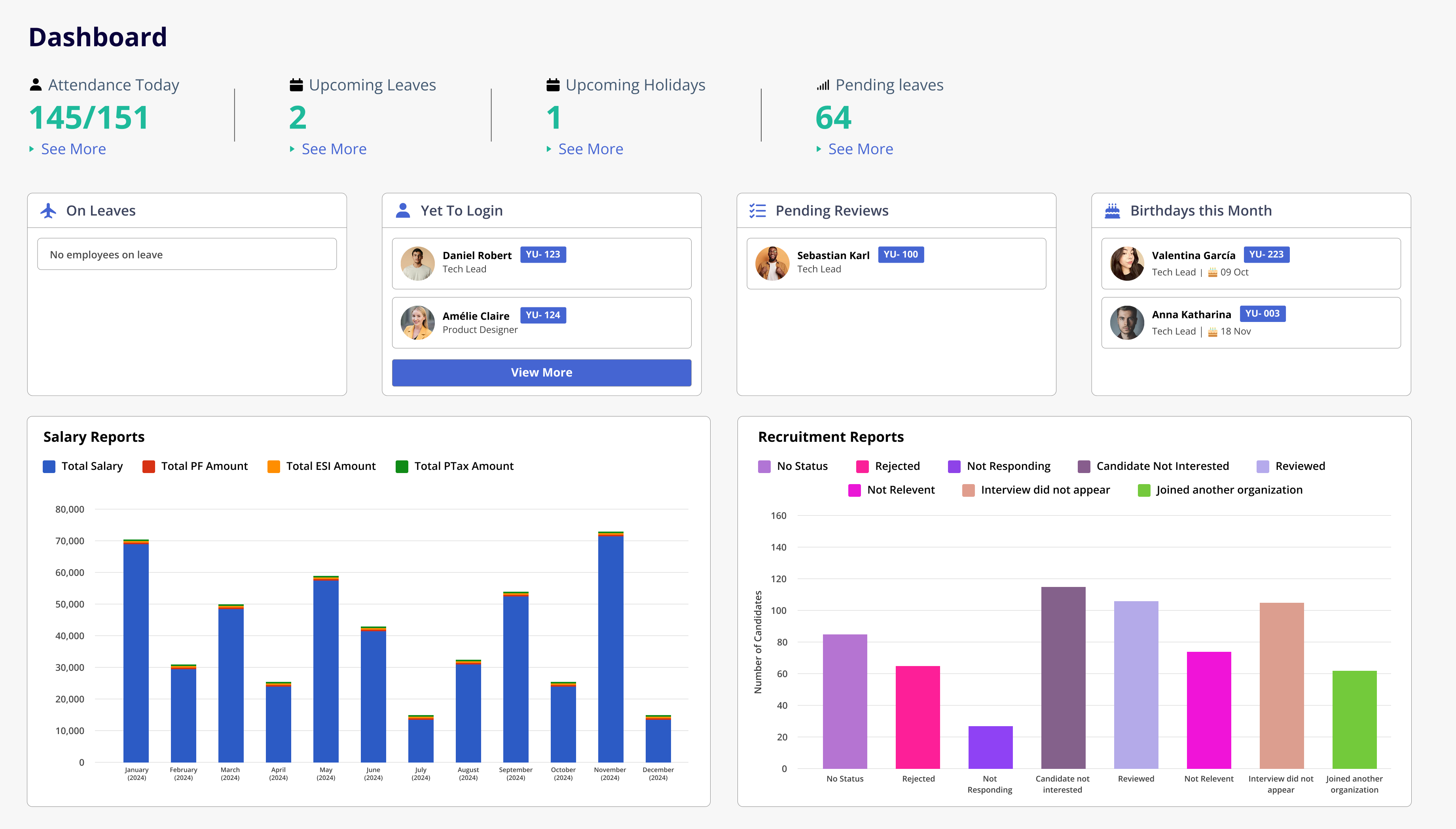
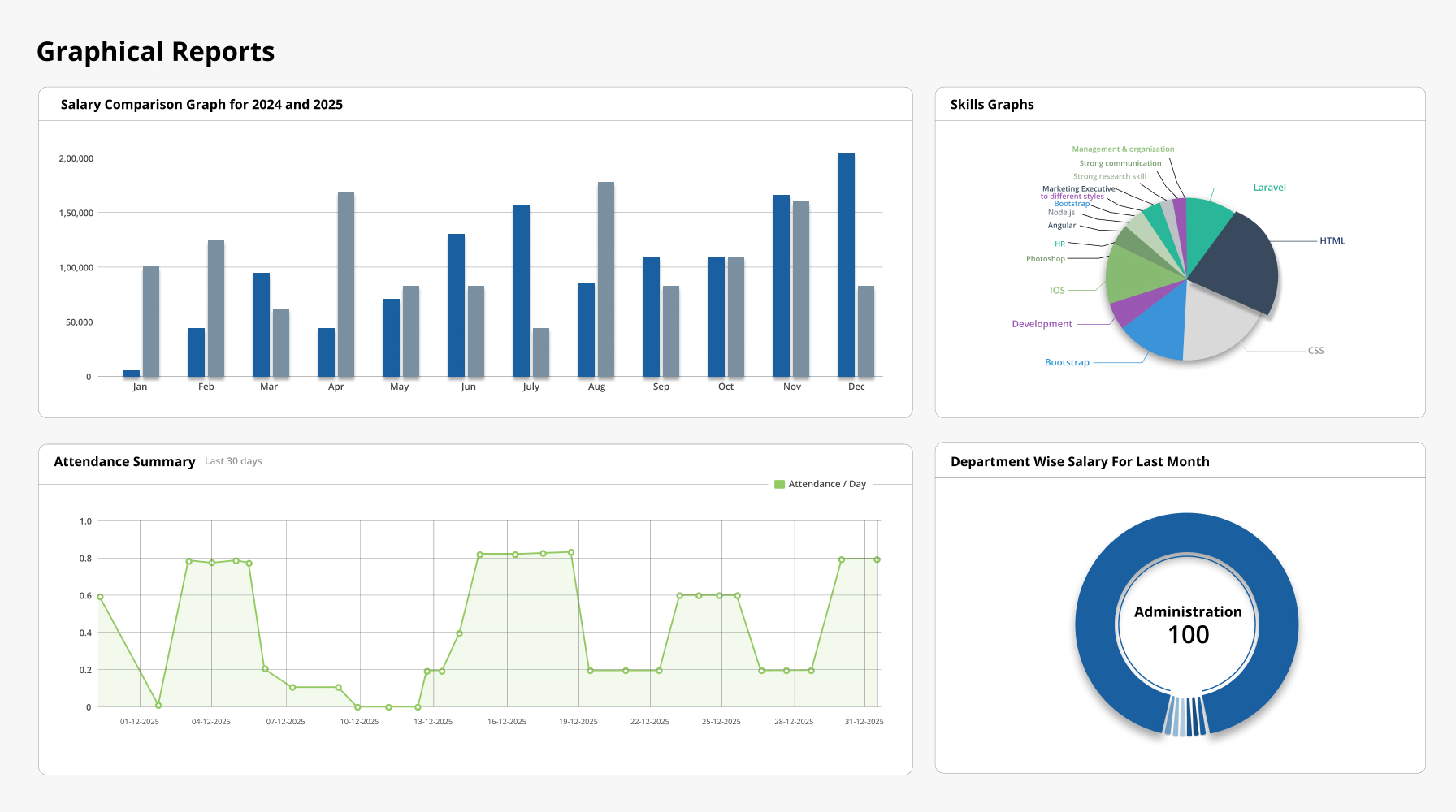
Real-time dashboards provide workforce insights immediately. Turnover predictions enabled proactive retention strategies. Talent gap analysis informed recruitment planning. Performance metrics revealed organisational strengths and development opportunities.
/05 Scope
/06 Outcome
Here's the arithmetic: 480 hours annually. That's roughly what the unified architecture recovered instantly by handling synchronisation automatically, accurately. Imagine reclaiming that time. What did HR actually do with it? Strategic work. Employee relations that genuinely required human judgement rather than wrestling with spreadsheets. Payroll processing—once a three-to-four day ordeal—now completed in hours. Payroll administrators stopped executing tactics and started providing strategic oversight, handling exceptions intelligently.
Our solution embedded regulatory requirements directly into how the system actually works. Payroll calculations incorporated statutory deductions automatically, accurately, every single time. System updates reflected regulatory changes systematically, eliminating that dangerous gap between new requirements and actual implementation. Compliance verification happened continuously rather than reactively during audits. The organisation moved from hoping they'd got it right to knowing they had.
Standardised reports are generated instantly. Complete audit trails documented every payroll calculation, every deduction, every payment with timestamps. Regulatory proof isn't scattered anymore—it's centralised, auditable, ready. Audit season no longer means panic and frantic document scrambling. It means confidence. Actual, genuine, justified confidence.
Eliminated calculation mistakes and compliance violations entirely. Sophisticated algorithms calculated every component—salary, taxes, statutory deductions, benefits, reimbursements—without human intervention fumbling things up. Accuracy improved from approximately ninety-two per cent (what's typical with manual processes) to functionally perfect. Mathematical certainty. No guesswork. No crossed fingers during audits.
Payroll became transparent for the first time. Rather than receiving printed payslips covered in abbreviations they didn't understand, employees accessed detailed digital payslips anytime, anywhere. They understood exactly how compensation was calculated. They could verify deductions independently. They could cross-check calculations. This transparency—seemingly simple—enhanced employee trust significantly. Payroll queries decreased because employees could self-educate rather than bombarding HR with questions. Trust replaced confusion.
Self-service portal transformed the leave process entirely. Employees requested leave independently. They can check availability against policy automatically. Receive instant notification of requested leaves. Managers approved or rejected with simple clicks. What previously consumed administrative time now happened instantly, transparently, and systematically. Everyone benefited.
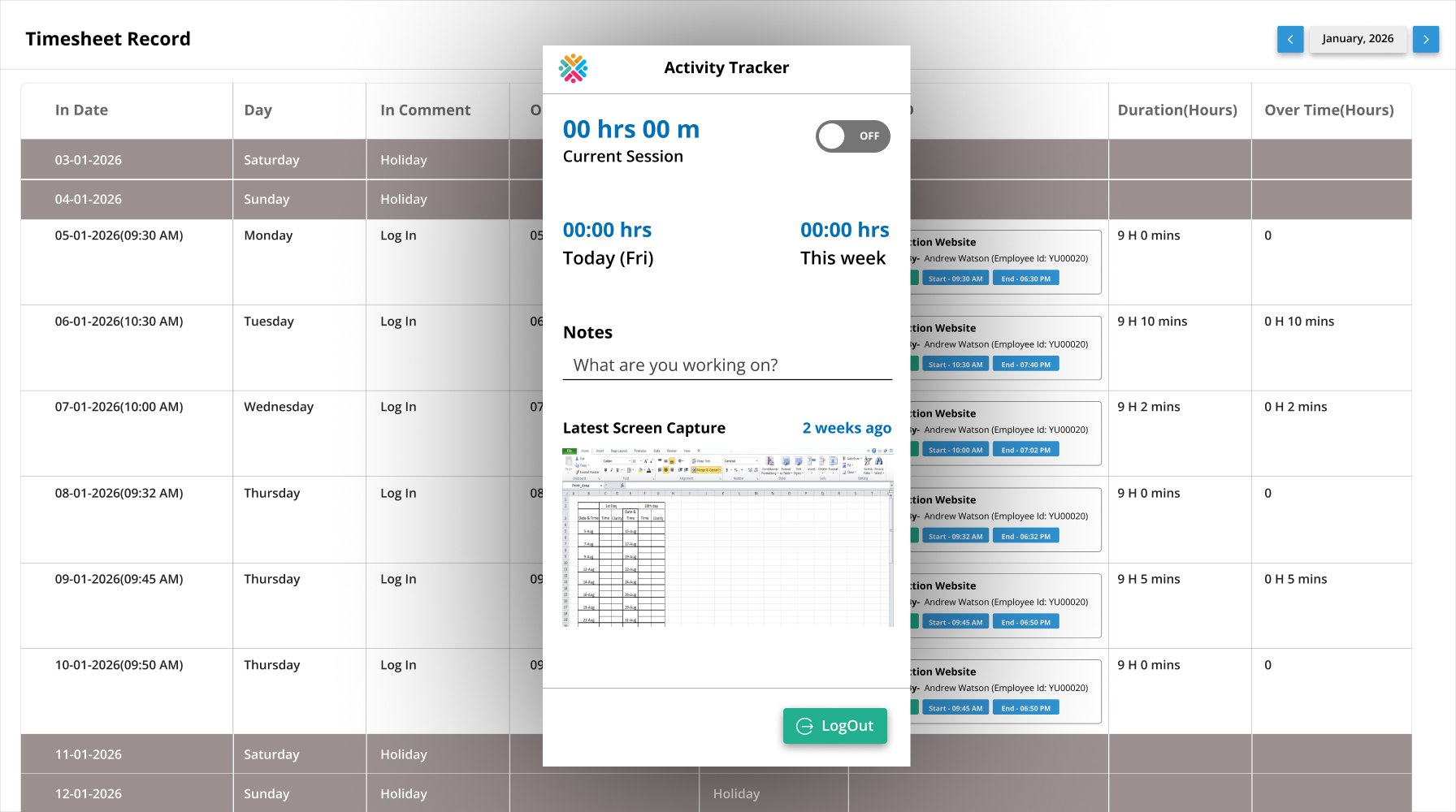
Real-time attendance tracking has provided accuracy impossible with manual systems. Biometric integration, mobile check-ins, and an automated tracker created comprehensive, reliable records. Payroll calculations reflected reality rather than aspiration. Guesswork disappeared.
Advanced analytics has transformed talent decisions entirely. Real-time dashboards displayed workforce metrics. Turnover analysis revealed precisely which departments, roles, and employee segments experienced departures—and why. Predictive analytics identified at-risk employees before they left, enabling proactive retention conversations. Talent gap analysis showed exactly where skills deficiencies limited organisational capability. Performance metrics highlighted both strengths to leverage and genuine development opportunities to address. Intelligence replaced intuition.
Turnover no longer arrived as a surprise. The system identified at-risk employees based on such patterns—reduced engagement, performance changes, tenure milestones historically associated with departures, etc. HR could intervene proactively rather than discovering resignation letters on their desk. Retention conversations has happened strategically. Counteroffer discussions has begun before employees mentally checked out. Organisation has shifted from passive acceptance of turnover to active management of talent retention.
Analytics has enabled genuine strategic planning rather than guesswork. Leaders understood current workforce capability precisely. They could anticipate skill gaps emerging from turnover, retirements, or organisational changes. Recruitment strategies have aligned with predictable needs rather than reactive emergencies. Talent development investments have targeted actual gaps rather than generic needs. Strategy became intelligent.
Perhaps the most significant impact has extended far beyond metrics. The role of HR department has fundamentally shifted. Rather than managing spreadsheets, reconciling data, processing transactions, and responding to crises, HR has become a strategic partner. HR professionals have analysed trends, designed retention strategies, identified talent gaps, planned development initiatives, and advised leadership on workforce implications of business decisions. HR has become essential to strategy rather than peripheral to it.
Employees have noticed changes immediately. Leave requests are resolving instantly rather than requiring manual processing. Payslips have become clear and accessible. Attendance records are reflecting reality. Communication has reached them consistently. Benefits information was self-discoverable. The entire employee experience has improved measurably. This matters because employee experience drives engagement, engagement drives performance, and performance drives business results. Everything has improved simultaneously.
/07 Payoff
Unified data architecture eliminates manual reconciliation, enabling HR teams to shift from spreadsheet management to strategic workforce initiatives and talent development programmes that genuinely drive business value.
Sophisticated algorithms handle salary calculations, tax computations, and statutory deductions automatically, freeing payroll administrators to focus on exception handling and strategic compliance oversight rather than repetitive data entry.
Algorithms eliminate human error from salary, tax, and deduction calculations, achieving functionally perfect accuracy compared to the ninety-two per cent typical with manual processes, directly reducing compliance violations and employee dissatisfaction.
Built-in algorithms embed EPF, ESI, TDS, and statutory requirements directly into operational processes, ensuring compliance happens continuously rather than reactively, and system updates reflect regulatory changes automatically without operational gaps.
All mandatory deductions—government levies, statutory contributions, tax withholdings—are calculated and processed automatically based on current regulations, eliminating the compliance exposure created by manual oversight or delayed regulatory updates.
Centralised, searchable repositories make benefits information self-discoverable, eliminating the need for employees to contact HR for routine benefits questions and enabling informed decision-making about compensation and entitlements.
Real-time attendance records replace manual guesswork, provide employees with accurate personal attendance visibility, ensure payroll calculations reflect actual operations rather than assumptions, and eliminate attendance-related disputes.
Instantly accessible workforce metrics with complete visibility into departmental performance, employee distribution, skill inventories, and operational realities provide HR leadership. These metrics were invisible or estimated previously, now enabling evidence-based strategic decisions.
Performance metrics highlight both organisational strengths to leverage and genuine development opportunities to address. It replaces intuition-based talent decisions with evidence-based investment priorities.
HR professionals have shifted from spreadsheet management and crisis response to strategic workforce analysis, retention strategy design, talent gap identification, development programme planning, and advising leadership on workforce implications of business decisions.
Elimination of manual processing, compliance anxiety, and audit-related panic is allowing HR teams to focus on meaningful work that requires human judgment rather than repetitive administrative burden, directly improving job satisfaction and retention within the HR function itself.
Employees are experiencing modern, efficient HR processes, reliable payment systems, transparent communication, and genuine engagement opportunities. It has built a positive reputation that attracted talent and differentiated the organisation in competitive labour markets.
Elimination of manual administrative hours, reduction of compliance-related expenses, prevention of payroll errors that create financial exposure, and decreased HR team size requirements through automation directly reduce the total cost of ownership.
Systematic regulatory compliance and 100% payroll accuracy eliminate fines, legal exposure, regulatory penalties, and reputational damage associated with non-compliance or payroll errors.
/08 Wrap-up
At Vyrazu Labs, we deliver future-proof solutions that turn complex HR challenges into scalable growth opportunities. Empower businesses to thrive through deep technology and human-centred design. HRMWare demonstrates how intelligent automation revolutionises workforce management. By consolidating fragmented data, automating compliance, and enabling strategic analytics, we transformed HR from crisis-driven chaos into data-driven excellence. The organisation reclaimed administrative hours, eliminated compliance risks, and enhanced employee engagement simultaneously. This case study proves that blending machine intelligence with human expertise doesn't replace HR professionals—it liberates them to drive genuine strategic value.
/9 Client testimonials
Vyrazu built an AI agent that handles our entire supplier negotiation workflow. What took a team of 6 analysts now runs overnight, autonomously, with better outcomes than we achieved manually.
Their LLM-assisted migration tool cut our 18-month COBOL replatform to 11 weeks. The AI-generated tests caught edge cases our engineers hadn't even thought of. Genuinely impressive engineering.
The RAG pipeline they built pulls from 40,000 internal documents in milliseconds. Our support team now resolves tickets 3× faster and customer satisfaction scores have jumped 28 points.
We came in sceptical about AI agents in production. Vyrazu's reliability engineering approach — guardrails, observability, fallbacks — gave us the confidence to go live. Zero incidents in 8 months.
Their fraud detection model now catches 99.7% of fraudulent transactions at 2M+ per day. It paid back its entire development cost within the first 6 weeks of going live.
Vyrazu treats AI ROI as a first-class requirement. Every model ships with a business metric attached — cost saved, decisions automated, revenue influenced. That discipline is rare and exactly what we needed.
/10 Get in touch
